
Exploring the cultural significance of casinos in modern society
Historical Context of Casinos
The origins of casinos can be traced back to ancient civilizations where games of chance were played for entertainment and social interaction. Over the centuries, these establishments evolved from small gambling houses into elaborate entertainment venues. The cultural significance of casinos grew as they became associated with luxury and sophistication, drawing the elite of society. The transformation reflects societal changes, including shifts in attitudes toward gambling and its acceptance. Today, players can discover the best online pokies nz which add to the evolving landscape of gambling.
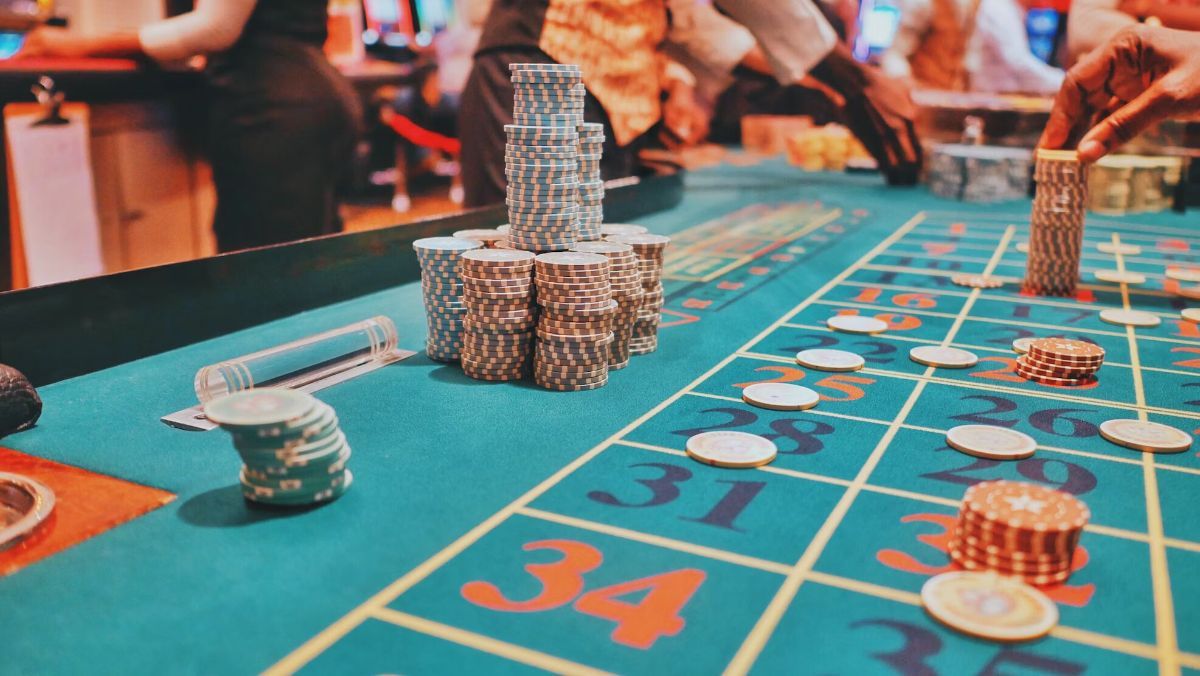
As cities expanded and economies grew, casinos began to flourish in places like Monte Carlo and Las Vegas, symbolizing wealth and excitement. They served as social hubs where diverse communities mingled, facilitating interactions across different social strata. This blending of cultures within casinos contributes to their cultural significance, allowing individuals from various backgrounds to share experiences and foster connections through gambling.
Today, the historical allure of casinos remains, embodying the complexity of human nature—our desires for risk, reward, and social engagement. As we explore the modern casino landscape, it is crucial to understand their historical roots and the ways they continue to shape societal values and community dynamics.
Cultural Representations in Media
Casinos have played a prominent role in film, television, and literature, often depicted as glamorous yet dangerous places filled with opportunity and deception. Movies like “Casino” and “Ocean’s Eleven” showcase the thrill of high-stakes gambling, but they also highlight the darker aspects of addiction and moral dilemmas. These portrayals significantly influence public perception, reinforcing stereotypes while simultaneously glamorizing the casino lifestyle.
Television shows and documentaries further explore the multifaceted nature of casinos, from reality programs showcasing everyday gamblers to dramas that delve into the lives of those entangled in the high-stakes world of gambling. Such representations impact societal views, shaping both fascination and fear regarding the potential consequences of gambling, and often prompting discussions about responsible gaming practices.
Beyond entertainment, these cultural narratives serve as a reflection of societal values, raising questions about risk-taking, luck, and the pursuit of happiness. As the media continues to evolve, it will be essential to scrutinize how casinos are portrayed and the implications these representations have on public attitudes toward gambling in society.
The Economic Impact of Casinos
Casinos significantly contribute to local economies, creating jobs and generating revenue through taxation and tourism. They attract millions of visitors annually, stimulating hospitality and retail sectors. This influx of tourists provides financial opportunities for local businesses, from restaurants to hotels, illustrating how casinos can serve as catalysts for economic growth in surrounding communities.
However, the economic impact of casinos is not without controversy. Critics argue that while casinos may provide short-term financial benefits, they can also lead to social issues, including gambling addiction and associated costs. Policymakers must navigate the complexities of balancing economic gains with potential societal drawbacks, ensuring responsible gaming measures are in place to mitigate harm.
As the gambling industry continues to grow, the long-term economic implications of casinos will remain a critical area of focus. Understanding how these establishments fit into the broader economic landscape is essential for stakeholders, including government officials, community leaders, and business owners, as they work towards sustainable solutions that benefit society as a whole.
Social Dynamics and Community Engagement
Casinos often serve as social gathering places where individuals come together to celebrate milestones, engage in entertainment, or simply enjoy a night out. This communal aspect enhances their cultural significance, as they provide a space for shared experiences that transcend age and background. Events hosted at casinos, such as concerts or charity fundraisers, foster a sense of community and belonging among attendees.
Moreover, casinos can play a role in shaping local identity and pride. Many regions establish signature casinos that become symbols of their cultural heritage, showcasing local art and cuisine while integrating traditional elements into their design. This fusion of culture and entertainment not only enriches the visitor experience but also helps preserve local traditions in an ever-evolving society.
Community engagement initiatives led by casinos, such as outreach programs and partnerships with local organizations, further enhance their role in society. By investing in local causes, casinos can demonstrate their commitment to the communities they serve, fostering goodwill and encouraging positive social change. This relationship between casinos and community dynamics is vital for creating a balanced and responsible gaming environment.
Future Trends in the Casino Industry
The future of the casino industry is being shaped by technological advancements and changing consumer preferences. The rise of online gaming and mobile apps has transformed how people engage with gambling, making it more accessible than ever. As technology continues to evolve, traditional casinos are adapting by incorporating digital experiences to attract a younger demographic while maintaining their core offerings.
Sustainability is becoming an increasingly important focus for casinos as societal values shift toward environmental responsibility. Many establishments are implementing eco-friendly practices, from energy-efficient designs to waste reduction initiatives. These efforts not only appeal to environmentally conscious consumers but also position casinos as leaders in sustainable tourism within the hospitality industry.
Furthermore, as discussions around mental health and responsible gambling gain traction, the casino industry is prioritizing player protection and support systems. Innovations such as self-exclusion programs and educational resources are being implemented to promote responsible gambling behaviors. As the industry evolves, its ability to balance innovation with social responsibility will be crucial in shaping its long-term success and cultural significance.

Conclusion and Resources for Responsible Gaming
As we explore the cultural significance of casinos in modern society, it is clear that they play a multifaceted role in shaping economic, social, and cultural landscapes. While they offer opportunities for entertainment and community engagement, it is essential to remain vigilant about the potential challenges associated with gambling. Promoting responsible gaming practices is crucial for ensuring that the enjoyment of casino experiences does not come at the cost of personal well-being.
For those seeking information about responsible gambling, numerous resources are available to provide support and guidance. Understanding the importance of moderation and self-awareness can help individuals enjoy the gaming experience while minimizing risks. Community outreach programs and educational initiatives are vital for fostering a culture of responsibility and awareness within the casino landscape.